Practice Collection

Beginner Yoga For Daily Practice Guides

Explore your daily yoga practice

The purpose of the Beginner Yoga for Daily Practice is to get you into a healthy routine of easy-going and easy to follow yoga. These are all about becoming more flexible, less stressed, and generally well-being-enhancing, which are ideal practices to those new to yoga.

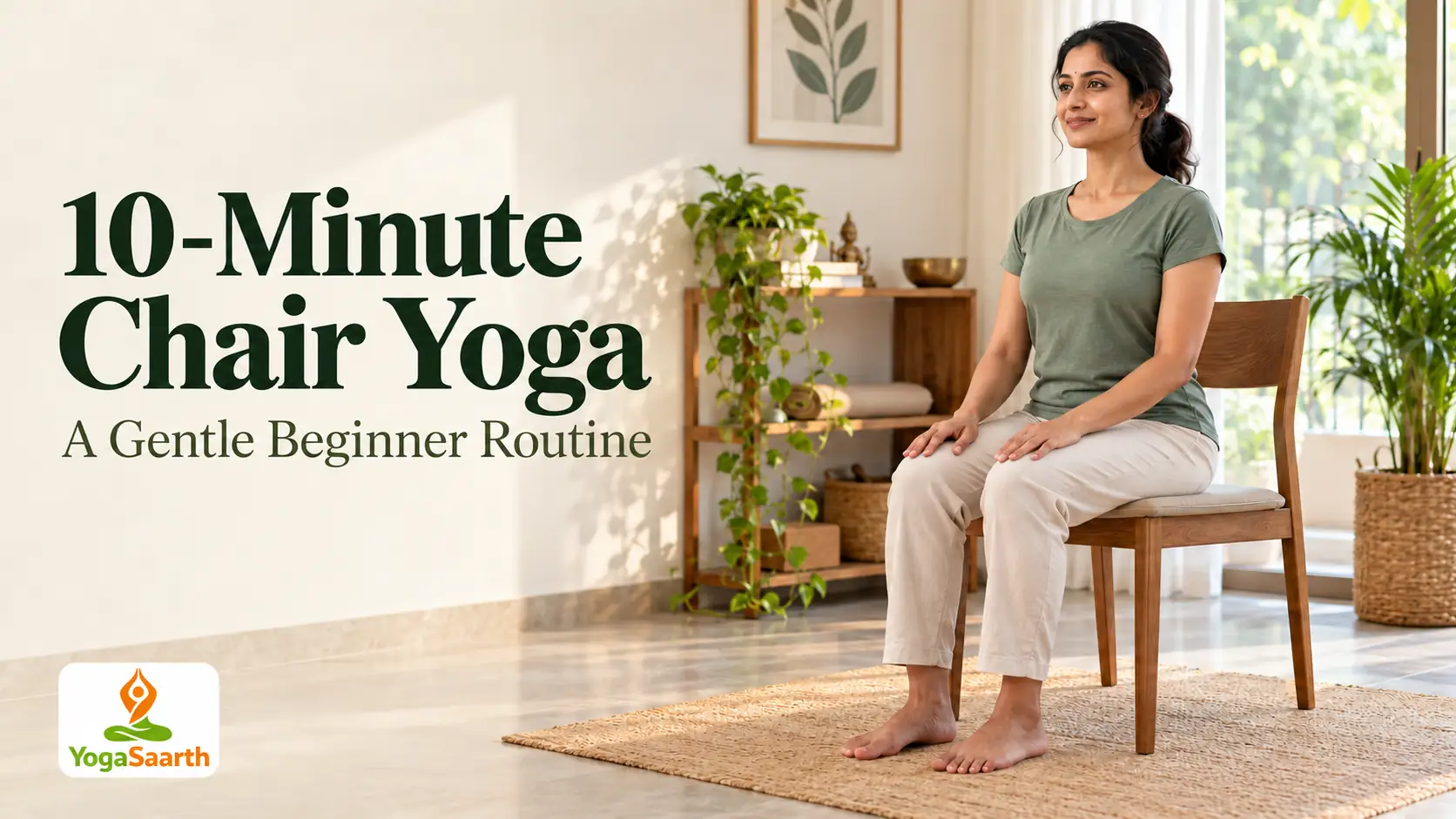
Woman sitting upright on a stable chair for a beginner chair yoga practice

Beginner

10-Minute Chair Yoga for Beginners: A Gentle Seated Routine

A chair can make it easier to begin a yoga-inspired movement practice without getting down onto the floor. This ten-minute sequence combines comfortable seated movements with attention to breathing. It is intended as a short movement break for beginners, including people who spend much of their day sitting. At a glance: Beginner level · About 10 minutes · A stable chair · No floor poses. Set up your chair and space Use a firm, armless chair without wheels, placed on a surface where it will not slide. Sit with both feet supported; use a firm foot support if needed. Leave room around your arms and knees. Wear clothing that lets you move freely. This is general wellness guidance, not a treatment plan. If you are pregnant, recovering from surgery, have an injury, osteoporosis, balance difficulties or another health condition, ask your clinician and instructor which movements suit you. Stop for pain, tingling, dizziness or unusual breathlessness. Do not push through symptoms. Your 10-minute chair yoga routine The time blocks include transitions and rest. Reduce repetitions or skip a movement whenever needed. Keep breathing naturally throughout; there is no breath holding or forceful breathing. 1. Seated mountain and easy breathing — 2 minutes Sit upright in a position you can sustain without straining. Let your hands rest on your thighs and soften your shoulders. Notice the contact of your feet with the floor. Take several ordinary breaths, then allow your exhalation to settle without trying to make it unusually long. Use the chair back if that is more comfortable. 2. Shoulder movements — 1 minute Gently lift both shoulders a little, then let them relax. Repeat slowly a few times. If comfortable, make small shoulder circles. Keep your jaw relaxed and your head balanced above your shoulders. Smaller movements are a useful option when a large circle feels awkward. 3. Gentle seated cat–cow — 2 minutes Place your hands on your thighs. As you inhale, gently lengthen through the chest without throwing your head back. As you exhale, allow a small rounding through the upper back. Return through neutral between repetitions. Keep the movement modest rather than forcing your lower back into a deep arch. If spinal bending is restricted for you, remain upright and simply breathe. 4. Comfortable side reach — 1 minute Keep both sitting bones on the seat. Place one hand on the chair and reach the other arm gently upward or keep it at shoulder height. Lean only slightly to the side, return to centre, and change sides. Do not pull against the chair. Skip the arm lift if it irritates a shoulder. 5. Small upper-body turn — 1 minute With your feet supported, turn your chest a little to one side and return slowly. Repeat on the other side. Let the head follow comfortably rather than looking far behind you. Keep the hips facing forward. Do not use the chair back to lever into a deeper twist; omit twisting if your clinician has advised against it. 6. Ankle movements — 1 minute Hold the sides of the seat if helpful. Move one foot slightly forward and gently point and flex the ankle, then switch feet. Keep the foot on the floor if lifting the leg feels tiring. Avoid locking the knee. 7. Seated rest — 2 minutes Return to a supported sitting position. Rest your hands and allow the breath to return to its usual rhythm. Notice how you feel without expecting a particular result. Before standing, pause and make sure you feel steady. What benefits can you reasonably expect? NCCIH reports possible benefits of yoga for stress, sleep and balance, while noting that styles and research quality vary. Those findings do not prove that this particular ten-minute routine produces the same results. Think of it as an accessible way to practise movement and body awareness, not a cure or a substitute for other activity or medical care. Make it a practical habit Begin with the first two movements if ten minutes feels too much. A comfortable, repeatable practice is more useful than forcing the full sequence. Alternate seated breaks with other movement that is appropriate for you. If you want a mat-based option, explore our 15-minute beginner yoga routine . Frequently asked questions Can I use an office chair? A wheeled or swivelling chair can move unexpectedly. Choose a stable chair without wheels for this sequence. Is chair yoga only for older adults? No. It can be an option for adults who prefer seated practice or need a movement break. Age alone does not determine which exercises are suitable. Should a stretch hurt? No. Use a comfortable range and stop if a movement hurts. Persistent symptoms need individual assessment. Can this replace all my exercise? This short routine is only one form of movement. It is not a complete strength, aerobic or balance programme. Sources and further reading NCCIH: Yoga — Effectiveness and Safety NHS: Sitting exercises The sequence and timing above are an editorial beginner routine, not a clinically tested protocol. For help choosing a suitable practice, explore Yoga Saarth online yoga classes and discuss your needs before joining.
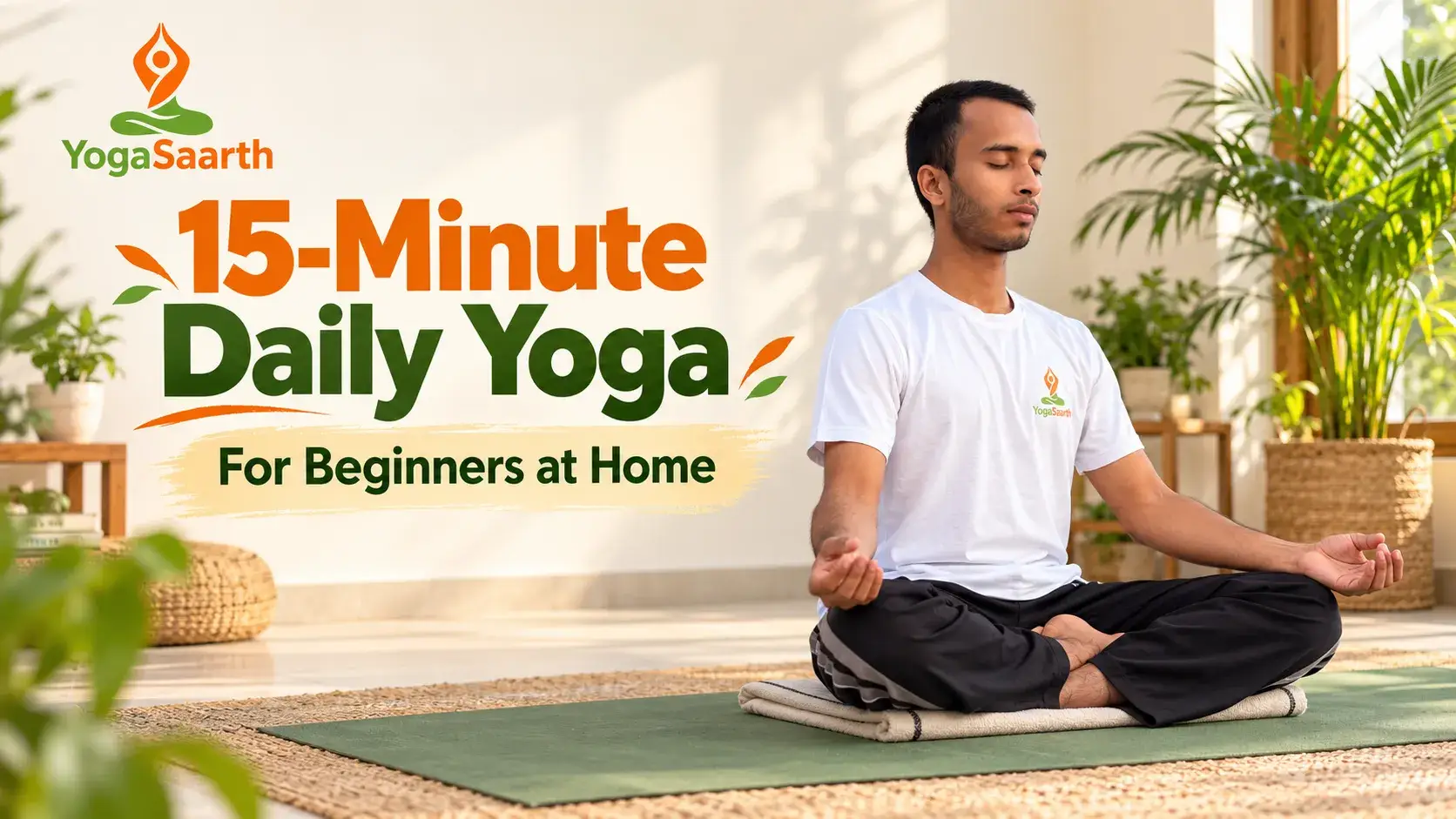
Man seated cross-legged on a yoga mat beside the title “15-Minute Daily Yoga for Beginners at Home”

Beginner

15-Minute Daily Yoga Routine for Beginners at Home

Starting yoga does not require advanced poses or hours of practice. A quiet space and 15 minutes can help you begin building a daily habit. This daily yoga routine for beginners combines gentle movement, comfortable stretching, and relaxed breathing. You can practise it in the morning, during a break, or in the evening—choose a time that fits your day. Before You Begin Use a yoga mat or a stable, non-slip surface. Wear comfortable clothing and keep a sturdy chair nearby if you need support. Move slowly and breathe naturally. You should be able to breathe comfortably throughout each pose. Reduce the movement or stop if you feel pain, dizziness, or unusual discomfort. If you have an injury, are pregnant, or have a medical condition that affects exercise, ask a qualified healthcare professional about suitable modifications before starting. Your 15-Minute Beginner Yoga Routine Treat the timings as a guide. There is no need to force a stretch or hold a position longer than feels comfortable. 1. Comfortable Sitting and Gentle Breathing — 2 Minutes Sit on a folded blanket or a chair with your feet resting on the floor. Let your spine lengthen naturally and relax your shoulders. Breathe gently through your nose if comfortable. Notice the movement of your chest and abdomen without trying to take unusually deep breaths. Beginner tip : Choose a chair if sitting on the floor feels uncomfortable. Comfortable breathing matters more than your sitting position. 2. Gentle Shoulder Movements — 1 Minute Stay seated or stand with your feet comfortably apart. Slowly lift your shoulders toward your ears, then release them. Follow with a few small, gentle shoulder circles in each direction. Keep your jaw relaxed and avoid pushing your shoulders into a large range of movement. 3. Cat–Cow Pose — 2 Minutes Cat Pose (Marjaryasana): Gently round your back as you exhale, keeping your hands beneath your shoulders and knees beneath your hips. Come onto your hands and knees. Place your hands beneath your shoulders and your knees beneath your hips. As you inhale, gently move your chest forward and allow a small curve in your back. As you exhale, slowly round your back and let your head follow the movement. Continue at an easy pace, keeping your neck comfortable. Easier option : Practise seated Cat–Cow on a chair. Rest your hands on your thighs and gently alternate between lifting your chest and rounding your upper back. 4. Supported Child’s Pose — 2 Minutes From hands and knees, gently widen your knees toward the edges of your mat, only as far as feels comfortable. Slowly move your hips back toward your heels without forcing them to touch. Rest your forehead on a cushion if it reaches easily. Let your arms rest forward or beside your body and breathe naturally. Easier option : If this position bothers your knees, sit on a chair and lean forward slightly, resting your forearms on your thighs. 5. Mountain Pose with Gentle Arm Raises — 2 Minutes Stand with your feet about hip-width apart and your knees soft, not locked. Distribute your weight comfortably across both feet. As you inhale, slowly raise your arms forward or out to the sides, only as high as feels comfortable. As you exhale, lower them. Repeat gently, keeping your shoulders relaxed and avoiding an exaggerated arch in your lower back. Beginner tip: Keep your arms below shoulder height if lifting them higher causes discomfort. 6. Supported Standing Side Stretch — 2 Minutes Stand beside a sturdy chair and rest one hand on it for balance. Raise your other arm as comfortably as you can, then make a small sideways bend toward the chair. Keep facing forward and avoid twisting or leaning backward. Return upright and repeat on the other side. Alternate slowly, with a few relaxed breaths between movements. Beginner tip : A small stretch is enough. Focus on lengthening through your side rather than bending deeply. 7. Supported Savasana (Corpse Pose) or Seated Relaxation — 4 Minutes Savasana (Corpse Pose): Rest comfortably on your back with legs extended and palms facing upward, allowing your body to soften as you breathe naturally. For supported Savasana, lie on your back with your legs extended comfortably and a cushion beneath your knees if helpful. Let your arms rest beside you. If this position is uncomfortable, keep your knees bent with your feet on the floor, or sit in a supported chair instead. Soften your shoulders, hands, and face while breathing naturally. To finish, make small movements with your fingers and toes. If lying down, roll onto your side and sit up slowly. How to Build a Daily Yoga Habit Start with a routine you can repeat comfortably. On busy days, a few minutes of gentle movement can help you keep the habit going. Choose a regular time that fits your schedule. Keep your mat or chair ready. Use easier variations whenever you need them. Adjust the routine to your energy and comfort each day. Focus on steady practice instead of achieving a particular pose. Common Beginner Mistakes to Avoid Forcing a Stretch Move within a comfortable range. Sharp pain, pinching, or joint discomfort are signals to ease out of a pose. Holding Your Breath Keep breathing naturally. If a movement makes you strain or hold your breath, make it smaller or pause. Comparing Your Progress Your range of movement may change from day to day. Let your own comfort guide your practice. Rushing Between Poses Take your time when moving from the floor to standing. Use a chair for support if needed. Frequently Asked Questions Can beginners practise yoga every day? A short, gentle routine can be a manageable daily habit for many beginners. Adjust the intensity to how you feel and take rest days when needed. Is 15 minutes enough to start yoga? Yes, for most beginners, 15 minutes can be a useful starting point. It gives you time to explore basic movements, become familiar with your breathing, and build consistency. Start with a shorter session if needed. Do I need to be flexible before starting? No. Begin with comfortable movements and use support where needed. You do not need to reach your toes or perform advanced poses to start. What is the best time for daily yoga? Choose a time you can maintain consistently. Morning, afternoon, or evening can work—your routine should fit your life. Do I need a yoga mat? A mat is useful for cushioning and grip during floor poses. If you use another surface, make sure it is stable and does not slip. Chair-based variations are also an option.

Practice together

Ready to Deepen Your Practice?

Join live sessions and experience guided yoga with personal attention.

  • Live Zoom classes with expert instructors
  • Real-time posture correction
  • Personalized guidance
  • Supportive wellness community
Continue Your Journey

Cancel anytime · No long-term commitment

A little guidance goes a long way

Start Your
Home Practice

Join specialized live yoga sessions for energy, clarity, and balance.

  • Expert personal attention
  • Interactive Zoom sessions
  • Flexible monthly plans

Find your preferred batch

Ask us about available morning and evening sessions.

Let us help you begin

Your next step starts here.

Share your details and our team will contact you about your sessions.

You will receive session details on WhatsApp & email. By booking, you agree to our terms.